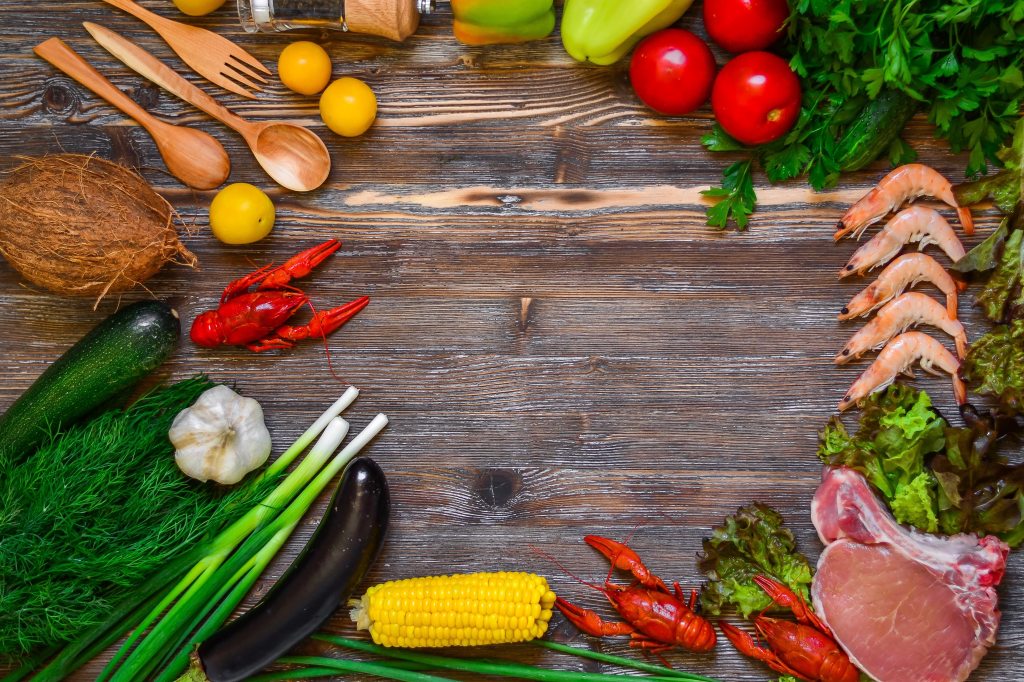
My mother is always careful about her diet and try to make it nutritionally balanced. She cooks grilled or dried fish, plant-based side dishes, miso soup, and rice. However, since I moved to Canada, I eat more animal-based meals and less vegetables. To be honest, using meat is easy to make a flavourful meal and to satisfy my stomach. Whereas I think vegan food is less tasty and we need more time to cook it. But when I worked at a cafe in Montreal, I reached a turning point. I often cooked vegan dishes because Plant-based Diets (PBD) is a trend and many customers wanted to have this kind of meal. Soup for instance, when I prepared vegan and non-vegan soup, the vegan soup often ran out first. I found that people are more concerned about their health and I am sure that this phenomenon will play a more important role in the culinary industry. I know some vegan recipes but I would like to learn how to use effectively these ingredients in order to reinforce my culinary knowledge and take care of my health.
There are numerous information on the internet. People can create food blogs to upload their healthy food recipes. Companies can make websites to show convenient and nutritious food recipes using their products. Then, people easily trust what they say because the brand is strong or author is famous. Unfortunately, not all information is correct so if you completely trust it, you might have a serious health problem. So, how can we find a credible nutrition website? There are three ways to find out if a website is reliable or not. First, check sponsors of the website. When you see the federal government (.gov), professional organization (.org), and university (.edu) in a web address, it is reliable because the source is clear and trustworthy. Then, check if the article has concrete information. For example, there are always references at the bottom of the website if it is based on scientific research. Last, check the date of publication. If it has been published for more than 5 years, it is less reliable. Scientists always update new things. Thus, you should trust less old information because they might be updated.
Harvard School of Public Health is the one of the best nutrition websites. For instance, they explain drawbacks of coconut oil based on scientific research with references. Furthermore, it is written by qualified scientists and researchers. If you want to know more about it, click here. In contrast, I do not recommend to check information on Canadian Living. They only talk about benefits without mentioning any risk. There is also no information about the author so we do not know if the author is qualified or not. If you want to know more about it, click here.
I will be happy if I can be of any help.
References
Pixabay. (2016, December 18). Pexels. Retrieved from https://www.pexels.com/ja-jp/photo/255501/
The President and Fellows of Harvard College. (2020). Coconut Oil. Retrieved from https://www.hsph.harvard.edu/nutritionsource/food-features/coconut-oil/
Vencheva, R. (2020). 4 HEALTH BENEFITS OF COCONUT OIL. Retrieved from https://www.canadianliving.com/health/nutrition/article/4-health-benefits-of-coconutaoil
 tak's kitchen